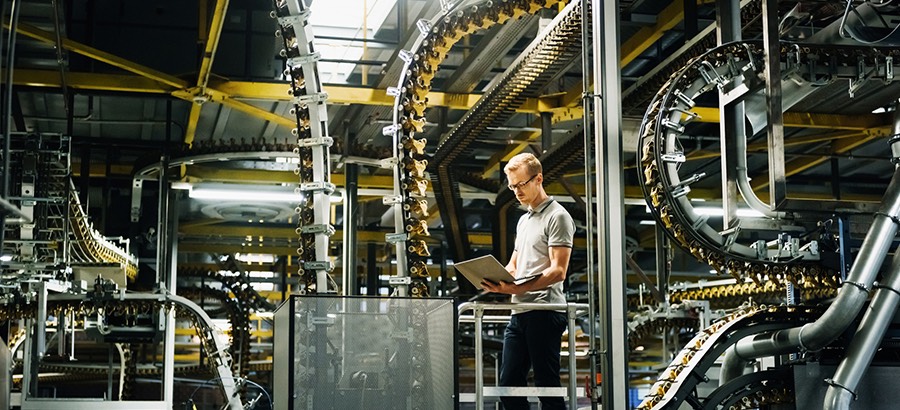
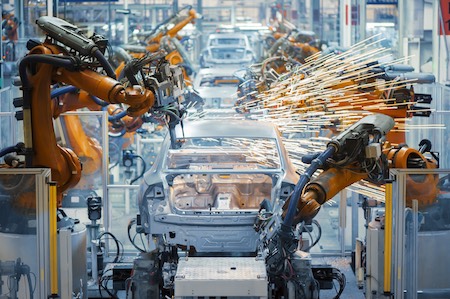
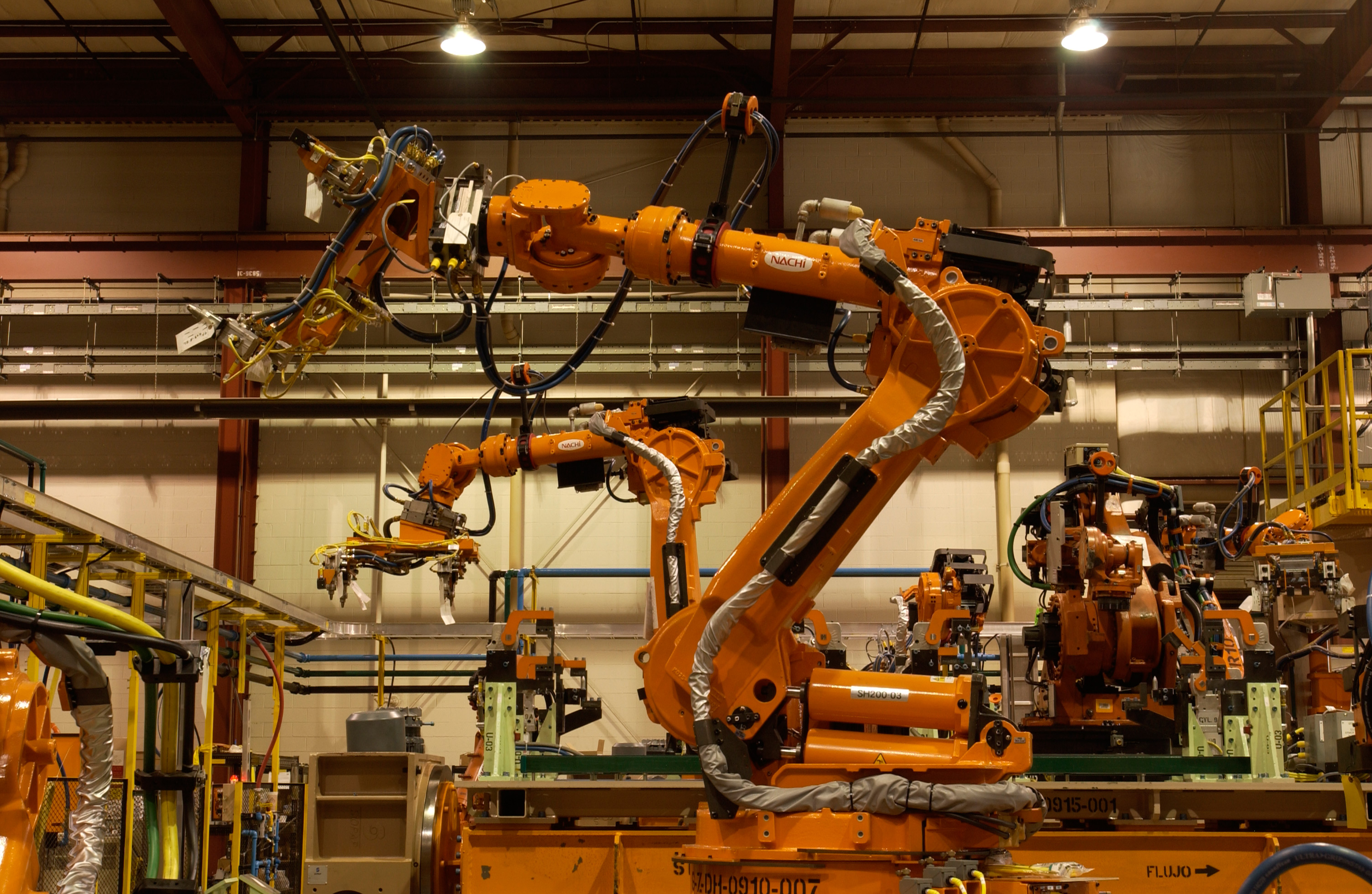
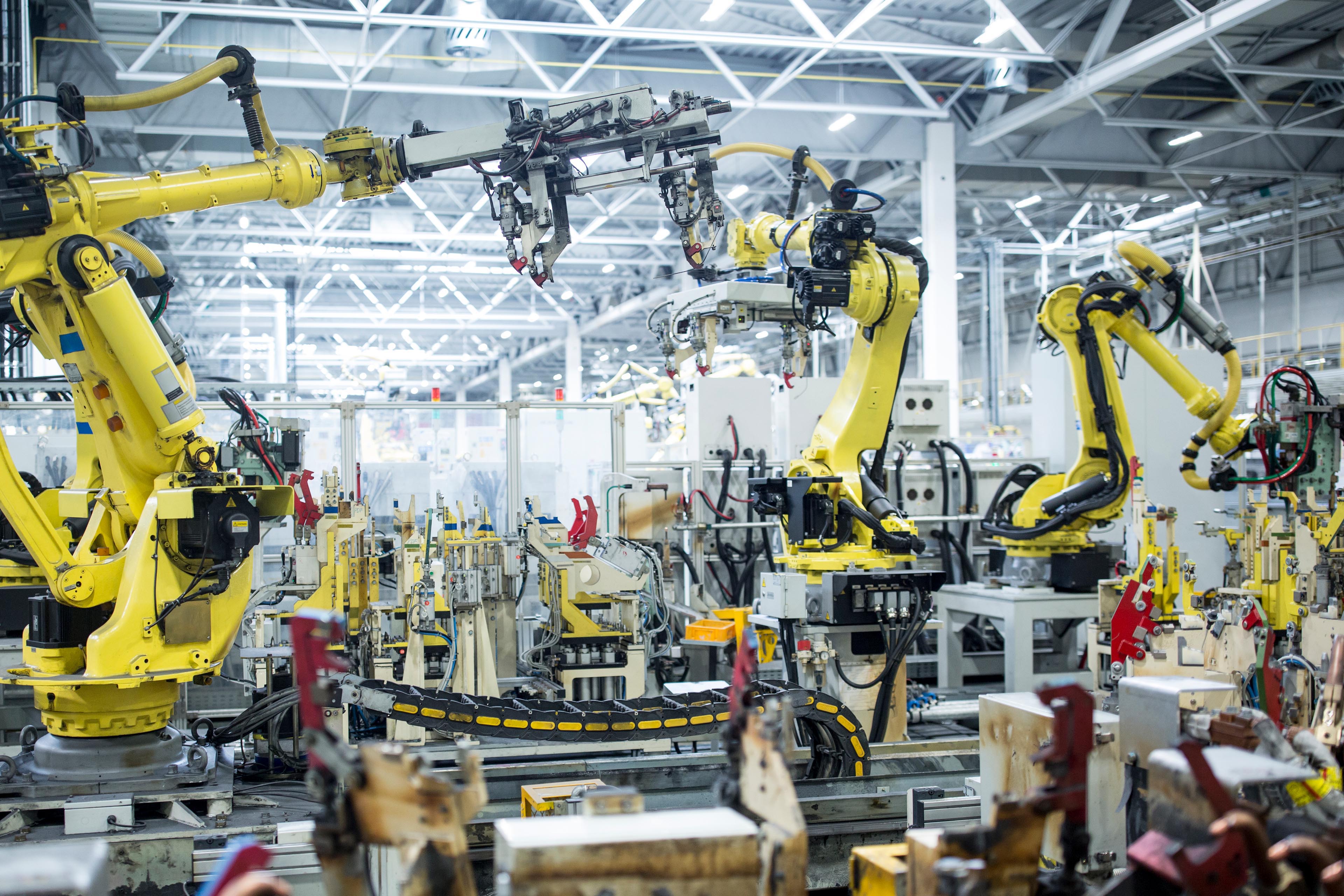
An industrial machine is a non-portable, power-driven device or a coordinated group of machines that processes materials through various methods such as cutting, forming, or applying pressure. It may also involve electrical, thermal, or optical techniques, and can include additional equipment for material handling, assembly, inspection, testing, or packaging. The machine's electrical components, including controllers, software, actuators, and sensors, are integral to its operation.
What is Industrial Machinery used for?
Industrial machinery is used to improve efficiency and productivity in manufacturing and production, allowing for the mass production of goods with greater precision and consistency. It also reduces operational costs and manual effort, ensuring quality and optimizing resource use in various industrial sectors. Below, we explain this in more detail:
Process automation Industrial machinery automates repetitive and complex tasks, reducing human intervention and minimizing errors. This aspect is crucial in industries such as automotive and electronics, where precision is vital. Automation allows for a constant and efficient production flow, improving consistency and reducing downtime.
Increased productivity It significantly increases production in less time, reducing operational costs and increasing market competitiveness. This is essential in high-demand sectors such as mass consumer goods manufacturing, where speed and efficiency are key to meeting market needs.
Quality improvement Industrial machines ensure consistent quality control, reducing variability and defects in production. This is fundamental in the food and pharmaceutical industries, where product quality is paramount. Equipped with sensors and monitoring systems, machines can detect and correct errors in real-time, ensuring each product meets established quality standards.
Workplace safety The implementation of industrial machinery improves workplace safety by reducing the need for workers to perform dangerous tasks. Machines can handle heavy materials, operate in hazardous environments, and perform repetitive tasks without risk of injury. Many modern machines are equipped with advanced safety features such as emergency stop systems and overload protections
This website uses cookies to improve your web experience.